

Last weekend, my triathlon training included a 40-mile bike ride on Saturday, cycling hill after hill…after hill. Sunday, I trained on those same hills, running (well, actually, wogging) for another 12 miles. By the end, my legs were toast. My quads seared, my hamstrings threatened to spasm. This week? My training includes one lovely day off, then a mix of long and short wogs, bike rides, and swims.
Somewhere in there is also work and family life.
The Importance of Training Recovery
In years past, I would never have been able to tackle the run the day after that kind of ride. But over the years, I’ve gained a huge appreciation for the importance of post-exercise recovery. Without adequate recovery, injury will be your friend.
Recovery allows for the microtears in those sore, overworked muscles to repair and build stronger muscle for your next training day. There are several factors of recovery to consider:
hydration,
nutrition,
post-workout compression,
muscle care, and
sleep
time
And, while you can choose to spend a lot of money on special equipment and fancy recovery drinks, many recovery tools are inexpensive and easily obtained.
Hydration
Hydration is key to recovery. Please notice I’m not saying “water.” Water is important, but after a heavy or prolonged workout, water that includes some electrolytes (like sodium, potassium, and chloride) and minerals (such as sodium, magnesium, and calcium) is equally important. But you do not need to spend money on fancy sugary electrolyte drinks like Gatorade. Simply pair a tall glass of water with some pretzels for salt, a banana for potassium, and grab a handful of almonds for that magnesium. These foods are easy to digest and will begin to give you some of the post-nutrition calories your body craves.
Training Recovery Drink
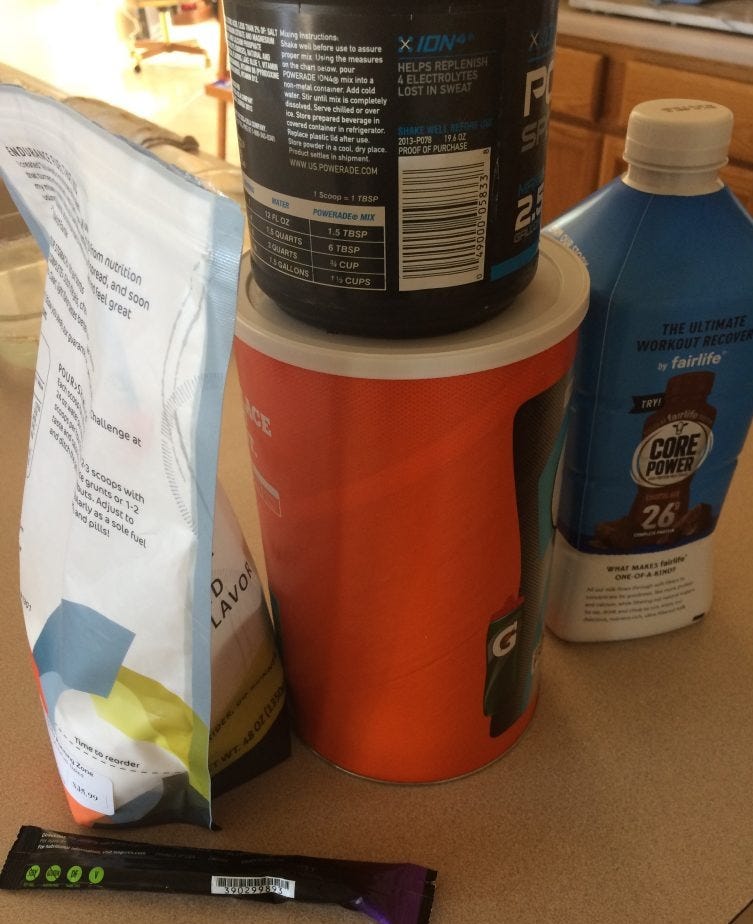
Optimal recovery includes refueling your body shortly after a strenuous workout. That handful of pretzels or almonds will get you started, but isn’t enough after a big workout. When deciding what to eat, including both carbohydrates and protein is important. Don’t worry about all the arguments about the specific ratio of carbohydrate to protein-the most important thing is to actually get both in.
Try being refueling with 20-30 minutes of your workout. I find a post workout shake simple to make and easy to digest. I generally toss lowfat milk, ice, and some protein powder into a blender right after getting home. Sometimes I add a bit of peanut butter and low sugar chocalate syrup for extra flavor. I’ll sip on some water and munch on a few pretzels while bending up the shake. Then I can take sip on the shake while cleaning up before I climb into my compression boots (see below).
Compression
Whether it’s fancy boots or inexpensive socks, taking time to let compression massage those tired muscles will aid in your recovery. The compression helps move fluids through those muscles and back toward the heart, while decreasing the chance of swollen lower legs.
Socks
Compression socks are everywhere on the market today. Graduated compression socks can be worn for the entire afternoon, are very simple, and generally inexpensive. More recently, a wide array of fancy designs have become available. While you can shop for compression socks specifically marketed to athletes, I find the brands marketed toward medical personelle can be less expensive and offer a wider variety of fashions, including more neutral designs. There is no scientifc reason to buy one version over the other, so find something you’ll wear.
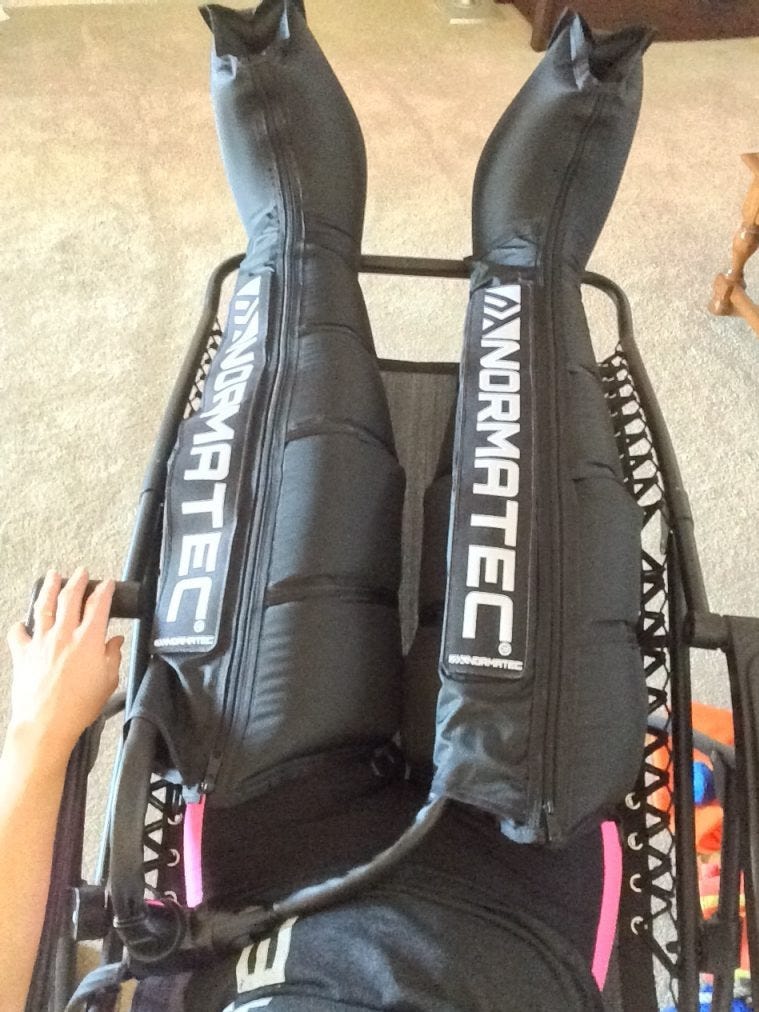
Compression boots- pricier, but worth considering
Compression boots use a mechanical pump to create graduated compression from the lower leg to the upper leg, before releasing the air and beginning the cycle again. Generally, you can choose the amount of compression desired, from mild to very strong. The length of time for a session is also programmable. They offer great compression, but unlike compression socks, you must sit or lay down to use them.
I have to admit I was very skeptical of compression boots. But when my physical therapist recommended them and let me try on a pair, I was hooked. Since then, I’ve noticed they’ve become standard recovery tools for many professional athletes. But it wasn’t until I was training for an Ironman race that I really noticed the impact on my recovery and performance. That heavy hilly workout weekend I mentioned above? My recovery speed for that kind of a workout was magnitudes faster with recovery boots.
Options for more affordable access to compression boots can include:
Buying discounted boots . Consider checking the vendors at your next marathon or endurance race expo. Compression boot companies may have a booth at the show where you may be able to try out a pair of boots. Ask if they’re selling the demo models at the end of the show. That’s how we got our Normatec system at a steep discount.
Recovery Appointments: Buying a pair of compression boots can be a financial stretch. A cheaper option may be available near you. Some physical therapy, upper-end sports massage companies, and even beauty spas now offer recovery appointments in compression boots. Costs can vary widely-some physical therapy places near me offer 30-minute sessions for $20 and even monthly punch passes. The spa prices are generally been higher.
Muscle Health
Massaging out those tired muscles after workouts can improve blood flow, loosen up tightened muscle, decrease pain and soreness, and improve recovery. Inexpensive tools are available for this. My favorites (physical therapist recommended) are:
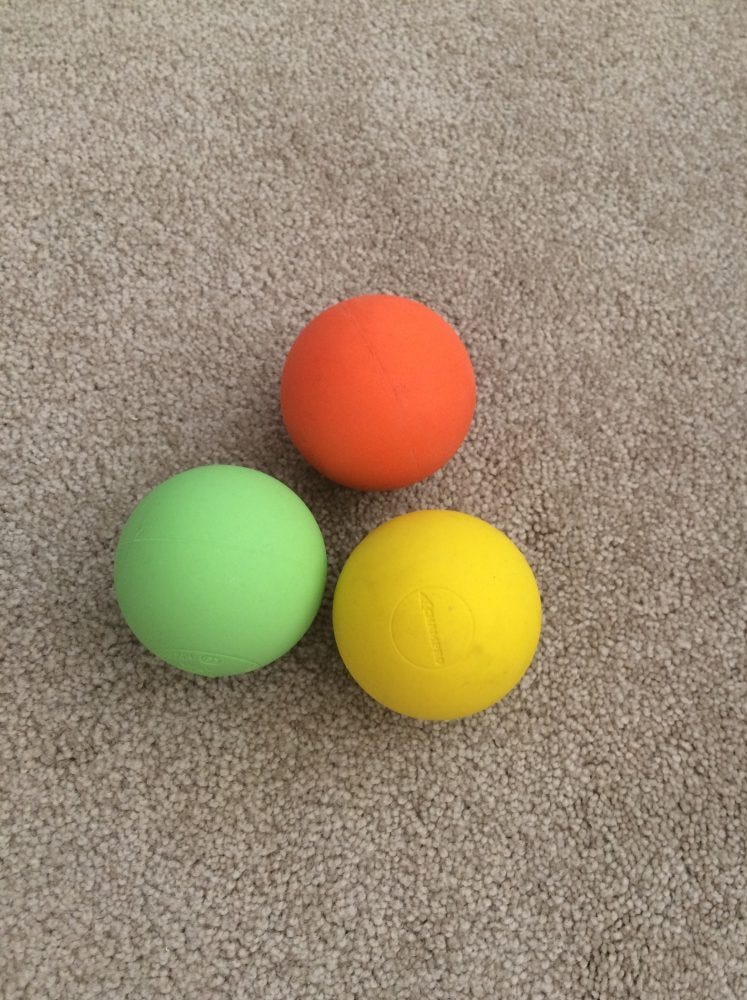
Lacross Ball- this simple $2 investement offers a local massage into knotted up tissue. Tennis balls are also popular, but many find them too pliant. If you’re plannign to use a lacrosse ball to help iron out those tight muscles, here’s a great video to get you started.
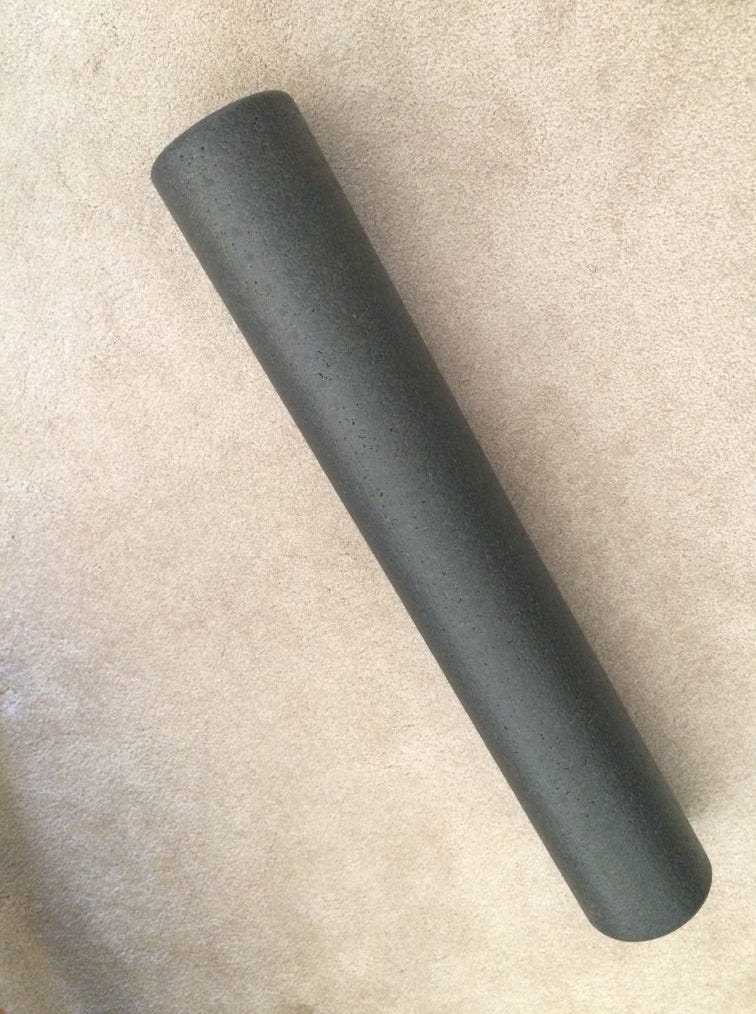
Foam roller: you can get a great, dense foam roller for $20-30 and very fancy one’s for a lot more. I use a basic, black, dense foam roller to massage my shoulder, IT bands, quads, hamstgrings, and glutes. Here is additional information and a good instructional video to help.
Sleep
Most of us never really get enough sleep. We know that makes us less alert and impacts our attitude. If you train for endurance sports, poor sleep can also impair performance, increase your risk for injury, and decrease your ablity to recover from injury. Poor sleep can also harm your immune system. Recovery of injury also requires adequate regular sleep. Read more here.
Time
It’s so easy to say there isn’t time for recovery, but skipping it can be a recipe for injury. Many elite athletes consider recovery part of the actual workout. Grabbing some hydration and nutrition on the way to the shower after a workout is simple. Make it simpler by always keeping the ingredients on hand or making the shake before you go on your workout. After you’re cleaned up, make a habit of pulling on those comrpession socks and heading to the foam roller.
Think of it this way, if you don’t make time for recovery now, your body make force you to take time off later due to an injury.
Want to learn more about sports recovery? Here are some great places to start:
The Power of Post-Workout Fueling (Purple Patch Podcast)
Happy Recovery!
Miffie
SaveSave
The post Affordable Training Recovery Tools for Triathletes first appeared on Miffie Seideman.