

Want to write a book, but not sure where to start? Thousands of resources will promise to help you reach your goal of writing “The End.” Unfortunately, many of them focus on just one aspect of creating a story: how to write a character, how to develop a plot, how to get published. Often confusing jargon is used—like ‘your character should be in his essence’ (a phrase that still baffles me). Other craft books discuss the entire process in great depth. None of these approaches is wrong. But…

…you may find yourself overwhelmed.
My goal is to make writing a fiction novel approachable through a series of articles focused on bite-sized steps in the the process that I use. I’ll include tips and links to resources for each step, allowing you to choose how deep into informational resources you need to go. You’ll also find a check-list of the steps discussed at the end of each article, with a comprehensive downloadable PDF of all the steps at the end of the last article.
Today, in Part 1, I’ve included:
Getting a great story idea
Growing your idea
Testing the idea-is it big enough (yet)?
So get comfortable and let’s get started!
Ready?
Getting a Great Story Idea
The ‘What if?’
Did you get an idea for a story and think, “What if such-and-such happened? Wow, that would make a great book!”? That’s exactly how story concepts start for many writers. The What if is a spark of an idea that catches your imagination. A few sparks you might recognize include: What if I’d never been born? (It’s a Wonderful Life); What if the world is a computer simulation? (The Matrix); What if the Nazis and Japan had won WWII? (Man in the High Castle).
But what if you don’t have a ‘What if?’
Some writers don’t get a sudden flash of an idea, but seek out a What if through interesting ideas in the world around them. News headlines can offer intriguing premises. A movie or book may have a compelling goal (like saving the world), characters (an ex-con thief recruited by the FBI), or exciting settings (the planet Mars). Or maybe a particular theme from an existing story moves you (good versus evil).
Keep your eyes and ears open for that story spark!
What if my story was already written?
Well, it probably has—or at least something similar. How do I know that? Because:
ALL stories can be traced to 7 basic story concepts told in few consistent patterns
To learn more about this concept, I recommend the following resources:
Basic story shapes:
The Shapes of Stories, by Kurt Vonnegut
7 basic story concepts
Story Archetypes: How to Recognize the 7 Basic Plots, by MasterClass (free article)
The Seven Basic Plots: Why we tell stories, by Christopher Booker
Well, what’s the point of writing my story then?
It may sound disheartening, but it’s not. What makes each story different is how a writer individualizes any of these seven basic plots and combines them with various story shapes. Themes, plots, and character types are re-set into new worlds with new struggles, or they may have interesting twists, making each story unique.
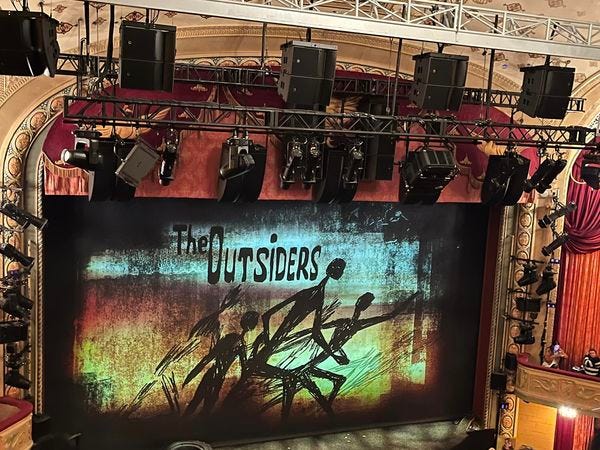
For example, I saw The Outsiders on Broadway recently. It’s a wonderful, gritty, and heart-felt story (bring tissues. LOTS of tissues).
It’s essentially a retelling of Shakespeare’s Romeo and Juliet. Just like West Side Story and Shakespeare in Love. In fact, Goodreads lists 121 books that offer new twists on the Romeo and Juliet core story. And there are countless movie adaptations of the timeless love story, including the fun Gnomeo and Juliet.
But each of these stories is quite different!
So, while you obviously shouldn’t plagiarize the story of another writer, you can remould the core ideas into an incredibly unique story experience.
Growing the Idea
No matter how it comes to you, the What if spark can be an exciting moment. But hold on! Before you roll up your sleeves to type away, you’ll need to do a bit of more deep thinking to be successful.
Great writers make story telling look simple. But behind the scenes, those writers spend a lot of time thinking, creating, and developing ideas before their pen ever touches paper. Do you think JRR Tolkien just wrote his fantastic stories as ideas came to mind? It feels that way, because he put so much effort into them. He thought, rethought, changed ideas, changed character’s names and—most importantly—kept at his dream.
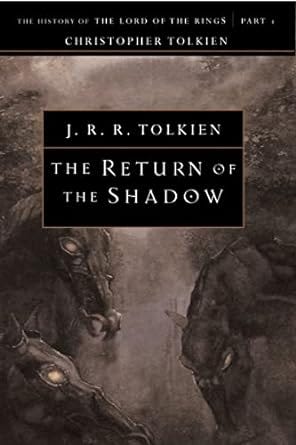
A great exercise is to look at some of Tolkien’s editing notes right in his manuscripts. The Return of the Shadow, published by Tolkien’s son, offers a glimpse into the writing process that created the Lord of the Rings (complete with his hand written notes in the margins!)
So…just how do you go about thinking deeper?

Brainstorming
Your What if is probably a fairly simple, 2-dimensional idea currently. What you need is an actual 3-dimensional story concept—one that’s more fleshed out. Something you (and readers) can sink your teeth into.
Begin the process by brainstorming a bunch of ideas that could happen in the story. Write down anything that comes to mind. Don’t reject any ideas. Not yet. Think of brainstorming as being a kid again—being allowed to come up with all kinds of imaginary ideas without being told they can’t happen or they’re wrong.
Not sure how to start? Here’s a brief example:
What if:
A teen goes to a highshool that secretly trains CIA spys
Brainstorming:

What if its a regular highschool with secret rooms where the training happens?
What if only some of the students get trained and know about the secret training
What if the teen unexpectedly gets recruited the first day of school?
What if he’s been a trouble maker before?
What if there’s a rivalry between the teens in training?
What if he falls in love with the enemy?
What if someone dies from the rivalry?
What if he’s set up as the killer and has to go into hiding to prove his innocence?
See how brainstorming has turned the simple idea of a spy training highschool into a bigger story idea?
When you sit down to brainstorm, your list may (and should) be many times longer than this brief example. As your list grows, some ideas will begin to fit together, setting the stage for an exciting story. Others will eventually become outliers that you can cross off the list.
Now, I write, right?
Hang on a bit longer. I promise, you will get there. (This is where I tell you the truth: writing is one of the last things you’ll do in the process. But it’s worth the wait). You have the beginnings of a real concept, but there’s more to learn about the story, like where it’s going, and what happens to the characters.
For now, your next important step is to test the idea.
Testing the Idea
Before you spend countless hours writing away, take a pause now to ask a few crucial questions. This can save you heartache later. You don’t want to discover after writing 10’s of thousands of words that your idea can’t fill an entire novel-length story. Here are a few of the questions* to consider now:
Is the concept original (enough)?
Who will care about your What if ?
Is the idea big enough (yet)?
*For more detailed questions and a more thorough teasing out of your story concept, I recommend Story Engineering by Larry Brooks and Story Genius by Lisa Cron. Both of these will systematically walk you through additional questions until your idea IS big enough.
1. Is the concept original (enough)?
As I mentioned, many stories have similar concepts and themes, but yours must be original. When you look at your idea, if it feels too much like an existing story, consider asking yourself how to make it more unique, more unusual, how to look at it through a different lens.
For example, a new and original take on the:
Lord of the Rings: characters that go off with a wizard on dangerous adventures involving rings of power to save the world…
…might look like:
Avengers: Infinity War and Avengers: End Game: superheroes that go off with a wizard on dangerous adventures involving stones of power to save the world.
Cast Away depicted the struggles of a man stranded on a deserted island. In The Martian, that man was stranded on the planet Mars—with a host of new variables and plot twists.
As you can see, there are many ways to refresh story ideas into new creations.
2. Who will care about your story?
Regardless of how you come up with your spark, the story you develop must interest readers. They must find the concept intriguing or the character’s plight compelling. A plain movie about being stranded alone on a deserted island probably wouldn’t have gotten anyone to buy tickets to see it. Being stranded, almost starving to death, having a painful rotting tooth, and years of solitude before being rescued, only to find the love of your life married to someone else…now that’s a story people will care about (Cast Away) and pay money to see.
Importantly, the emotions and struggles the character in Cast Away experiences are relatable: fear of loss, fear of death, love, loneliness, survival against odds, pain, betrayal, hope.
Oh, wait…that’s also The Martian, Infinity War, End Game…

Here are a few questions to consider:
What first intrigued you about your What if? Would that be interesting to others?
Can you identify a few compelling dangers, risks, problems in the life of your character that would hold the attention of readers/viewers?
Are there relatable themes that could deepen the heart of the story (such as love, forgiveness, hope, etc).
It’s important to note these reflections get you started in the right direction. And your list of ideas doesn’t have to be perfect yet. Some of these ideas may shift and grow as you begin to write. Some will be teased out in the next steps along the writing pathway. But at least, if you can say yes to all of these questions, you’re generally headed in the right direction.
3. Is it big enough yet?
When I taught pharmacy students in the newborn ICU, their eyes would gloss over at ALL the data they had to interpret before making drug recommendations for a sick baby. I always told them to stand back. Get away from the numbers and handbooks and look at the whole picture.
That’s what you need to do now with your idea- as it currently stands. Ask yourself: does this sound like it has enough depth to make an entire story? Is it a big enough story concept?
Yes!
Then get ready to write (well…at least to outline). You can continue to brainstorm more ideas first, however (it can’t hurt)!
Uhm…I’m not sure (or no):
Brainstorm some more. Keep listing out ideas until you do think you have a big enough story. If you’ve really exhausted all your ideas, then it may be time to find a different story. But don’t fret! Look at all the time and emotional investment you saved by finding out now. Keep the story idea (and the brainstorming list) in a notebook, however, in case you want to try it out again later.
Next Steps
There are a few more steps before you write, of course. Some of those steps include developing your main character (what goals drive him), identifying internal conflict (what causes your character to stumble on the way to the goal), the main plot points, and so much more!
For now, you have plenty of brainstorming and concept testing to start your exciting journey. You can also check out the references below that may be helpful. If you want to know when the next in this series is posted, sign-up for my newsletter here (I promise to not spam you).
Check list (through today’s steps):
___ What if?
___ Brainstorming
___ Testing my idea
___ Is the concept original (enough)?
___ What will make it more original?
___ Will my readers care?
___ Is it a big enough idea yet?
Resources:
Creative Ways to Brainstorm Story Ideas, Becca Puglisi (Writers in the Storm)
Three Powerful Ways to Brainstorm New Story Ideas, Kristen Kieffer (Well-Storied)
Brainstorming for Story Ideas, Paula Munier (Writer’s Digest)
PDF of Writing Resources (links to all kinds of writing related help).
On We Merrily Stumble (my blog of writerly related articles)
Jane Friedman (anything from Jane is valuable learning)
Happy Brainstorming!
The post Writing a Fiction Novel (Part 1): How to Brainstorm Ideas and Test Your Concept first appeared on Miffie Seideman.