

If you’ve been following along, by now you have a vetted story concept, as well an idea of your character ‘s inner conflict and messed-up world view that will drive the plot. (If not, check out Part 1 and Part 2 of this series, then return here!)
What’s next?
It’s time to pick the genre of your story. Today we’ll discuss genre (what it is and why it matters), and the expectations it creates in readers, agents, and publishers.

Genre: What is it?
Genre is a funny word with major implications. It defines the niche for your book, sets reader’s expectations for the kind of adventure they will take, and determines where your story is placed in a library or store. So a LOT rides on this odd little term. But fear not, it’s really easier than it sounds to understand genre. Let’s begin with a broad definition, then narrow it down to help you make a decision.
Broad Categories:
There are broad genres (which I prefer to think of as categories) that primarily define the section of market your novel will target on a higher level. These include non-fiction, fiction, and memoir, among others. There are many resources for non-fiction and memoir writers. Today, we are focusing on fiction. Here these broader categories include:
Commercial/Mainstream Fiction
Commercial fiction include simply described, high-concept stories. These are often the big blockbuster stories with high stakes, fast-paced plots, and mass appeal. These books are often on the Best Seller lists (think John Grisham and Tom Clancy). These stories are often devoured ravenously, as the reader rides the emotional roller-coaster to the end.
Literary Fiction
Defining literary fiction often frustrates writers. It’s a concept that focuses on a writing style and theme more than plot. It’s character-driven, not plot-driven (which has always been odd to me, since a character’s inner conflict should drive the plot in fiction, anyway. Headache yet?).
Literary fiction is often an examination of the human condition amidst flowing prose that begs the reader to slow down and absorb the content. And literary fiction doesn’t have to conform to the rules of common genres (see below). Think of these books as likely candidates for a school’s literature class.
Examples of novels- understanding this caategory falls under the “to read it is to know it” umbrella, so here is a list of the best Literary Fiction of 2025 (according to Barnes and Noble) as of today.

Commercial/Mainstream Fiction:
The genre subcategories under mainstream fiction will be more recognizable. In this case, we are referring to a specific category of story that meets readers expectations and fits the genre norms. These are the categories that determine where in a library or bookshop your novel will be placed. Genres include horror, thrillers, murder mysteries (cozy or not!), romance, science fiction, fantasy, dystopian, steam punk, and historical fiction among many others.
Why it matters
The genre of your story will determine so many aspects about it’s future, including:
Audience
Your story will appeal to certain readers and not to others. In making your choice, you’re automatically targeting an audience well-read in that genre, with specific expectations. Meeting those expectations leads to reader satisfaction. Not meeting them risks losing you future readership. These expectations inlude:
Conventions
Structure:
Each genre tends to follow a generalized similar structure. These are the must-have’s in your story to make the reader feel fulfilled. For example: boy meets girl, they fall in love, some conflict pulls them apart, they eventually overcome, and live happily ever after (HAE). This is Romance. Without that HAE moment, your readers will be very let down. If the new fire in your heroine’s life– her soul mate–dies before the end, it falls into the expectations of a Love Story, not a Romance. Not only will your readers be let down, but the ending announces to agents that you do not understand what you’re doing. And that is not going to open doors for you.
Not “formulaic”
Yes, there are certain parts to a story within a specific genre that are expected. In horror, the reader wants to be too scared to turn off their lights at night. In a cozy mystery, a reader does not want to read gory murder details. For a fantasy reader, some component of an imaginary world, often including magical or mystical beings, puts them on the expected journey. But within each genre, there are an infinite number of ways to get your characters through the plot to reach the end–and that’s called “your imagination.”
Resources:
For tips on writing your story within the expected conventions of a genre, check out these resources:
Word Count
I grimace when I hear new writers announce their manuscript has hit 200,000 words. The expected length of a story is also determine, somewhat, by your genre. And the length of your story can signal to an agent that you either know your audience, you’re horribly wordy, or didn’t bother to edit. Overly short-worded fantasy manuscripts will raise a concern that the world building is poor. Publishers also care about word count, since the higher the word count, the higher the cost to publish.
Word counts are not carved in stone and do have some flexibility within ranges. For some general guidelines regarding a good target word count range for your novel, see:
How to Choose Your Genre
In part, your idea may fall into a certain genre automatically. If your main character is a spy trying to save the world, you may be writing an espionage-laced thriller. But if the story is less about his career choice and more about his romantic interest in an enemy spy, now you’re dealing with a romance. Sometimes, these genres can be mixed, such as an historical romance–where you need to fulfill both the romantic and the historic conventions for the readers. Or today’s blockbuster new “Romantasy” category, in which both fantasy and romance are in full force.
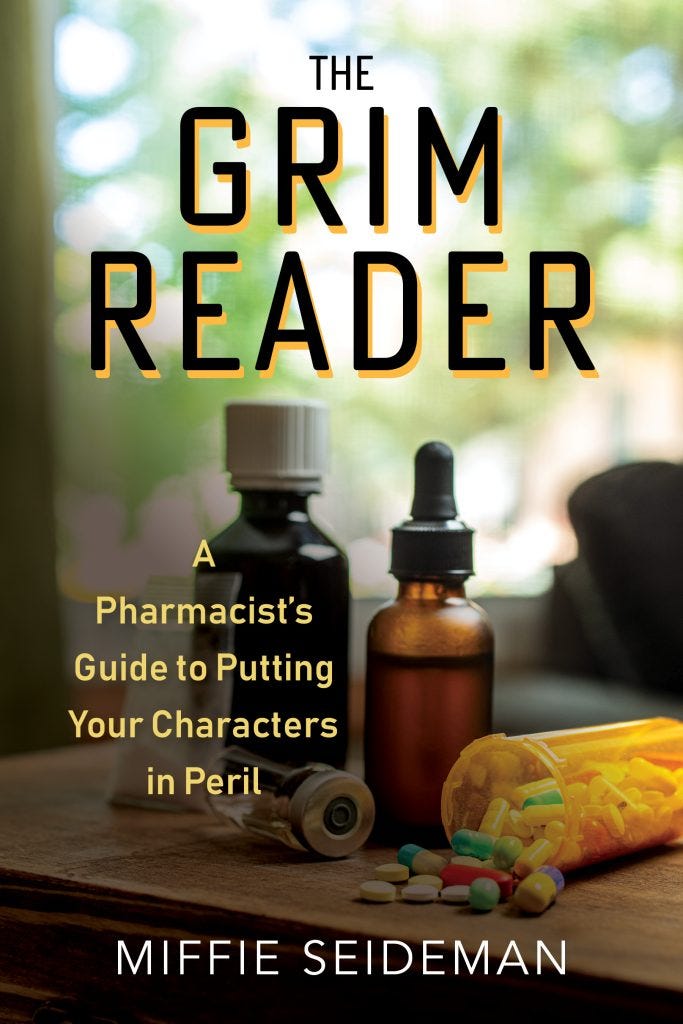
I wrote my initial manuscript as a YA coming of age story examining homelessness. How did I pick this? Because those themes spoke to my heart at the time I was brainstorming my “what if?” My published book, The Grim Reader: A Pharmacist’s Guide to Putting Your Characters in Peril (Indian Unversity Press) is a non-fiction writing craft book, driven by my passion for helping others and my love of well-written drug-related plot twists. But my desire to dwell in a world of dragons, danger, heros, and hope has pushed me into the world of fantasy with my current manuscript.
Not Yet Sure About Your Genre?
Take a look at the brainstorming you’ve done and the kind of inner conflict(s)you’ve chosen for your character. Do they speak to any specific genre? Also think about the type of books you tend to read. Often, writers will pen stories in their favorite genres, because the formats are well known and the conventions almost automatic. If your story begs to be written in a genre you are not familiar with, the best thing you can do is read, read, read. Become extremely familiar with the current best sellers in that category. Your would-be readers will be looking for your story to somewhat fit into their expectations, reinforced through the novels they’re already read.
Ego Aside
Far too many writers think they have a break-out story concept and can buck the conventions to become the next best seller. There are some stories that do. Some break the word count norms in a genre or the typically desired voice. Some create new fan audiences, busting out of conventional norms, such as Hunger Games, Twilight, and Divergent. But for every author that makes it in this “launch to stardom” path, 100s if not 1000s of writers are rejected.
For your first manuscript, as you’re learning the craft, pen a novel that fits within the norms of a chosen genre. You have plenty of artistic flexibility within those constructs to create something that is uniquely your voice and style.
More Resources:
Story Grid: Genres of Writing: Definitions, Examples, and 12 Types
Writers Digest: COmmercial, mainstream, and literary fiction
What genre appeals to you and why?
Let me know in the comments!
Want to know what genre other writers love?
As part of the Insecure Writer’s Support Group monthly blog hop, writers are discussing their favorite genre and which one they might never consider penning. If you want to join that conversation and meet other like-minded writerly folk, click here. While you’re there, consider adding your name to the blog hop for the future! This month, the blog hop is hosted by Rebecca Douglass, Natalie Aguirre, Cathrina Constantine, and Louise Barbour. Hop over to their blogs and see what they have to say. Or see below for a link to all the other writers involved in the IWSG.
The post Writing a Fiction Novel (Part 3): How to Pick a Genre first appeared on Miffie Seideman.